Here’s a joke: how do you get to Machu Picchu without getting winded? You don’t. Nobody does. Even the llamas look like they’re doing it for the exercise.
I climbed it anyway, on a June morning with fog still pooled in the valley like it hadn’t gotten the memo that the sun was up. And I’ve been trying to explain it to people ever since, badly, with my hands, because the actual place refuses to fit into a sentence. This is my second attempt. Consider it a warmup for the third.
When to go
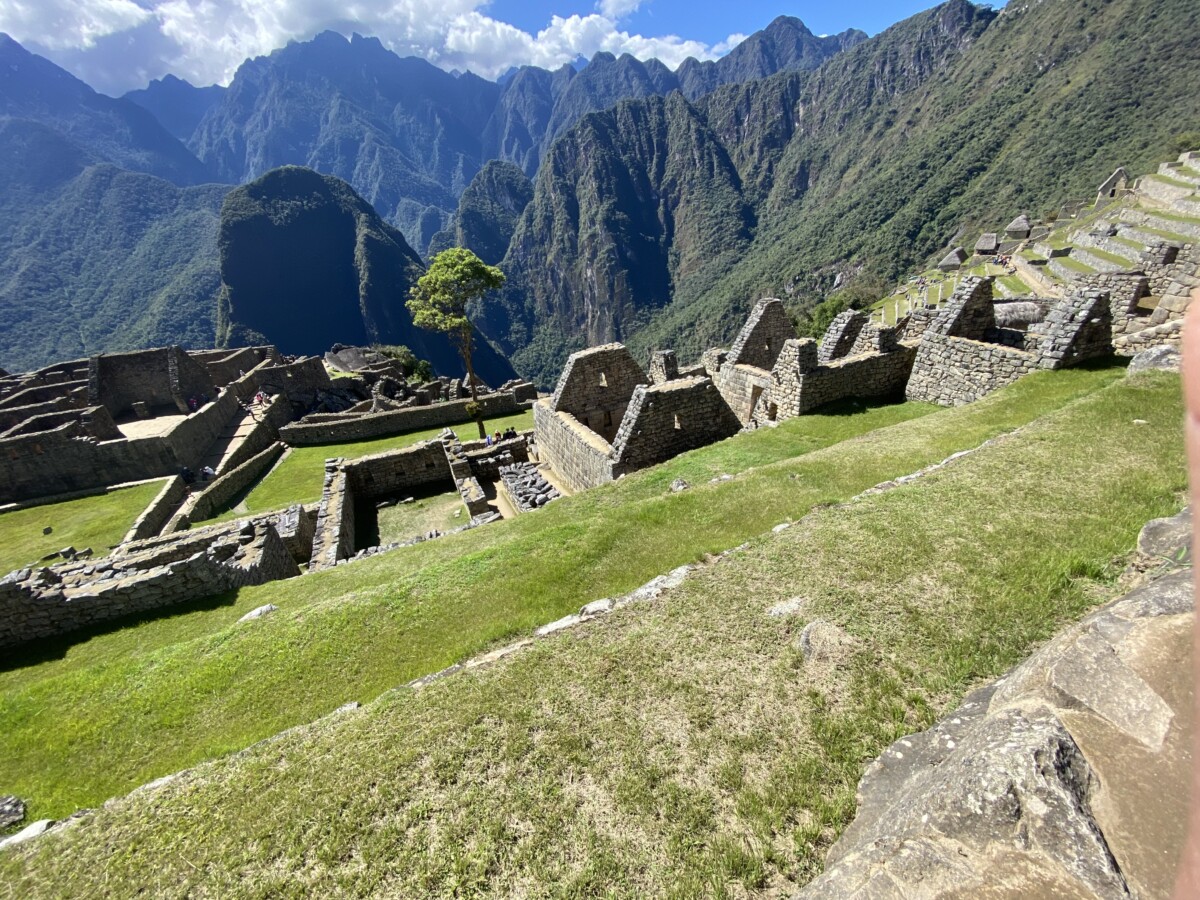
Peru splits its year into wet and dry rather than the four seasons most of us grew up with. May through September is the dry season, and it’s also the crowded season, because everyone else read the same three articles you did. June sits right in the sweet spot: clear mornings, cold nights, and a mountain that hasn’t yet been rained on for the day. If you can stand a little more mud underfoot, the shoulder months on either side (April and October) trade a bit of certainty for a lot fewer people.
Crowds, and how to out-walk them
Machu Picchu caps daily visitors, which sounds like good news until you realize everyone with the same idea booked the same 9am slot. The fix is almost insultingly simple: get the first entry ticket of the day. You’ll share the ruins with a few hundred people instead of a few thousand, and for about twenty minutes, before the buses catch up, you’ll get stretches of the site that feel entirely, improbably yours.
What to actually go see
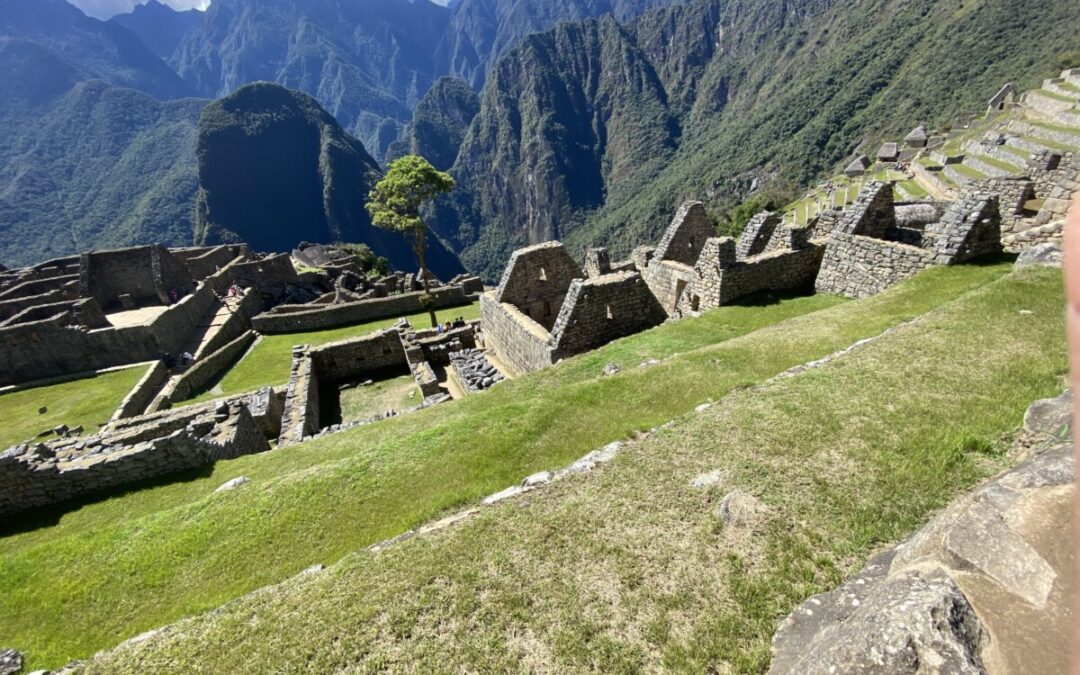
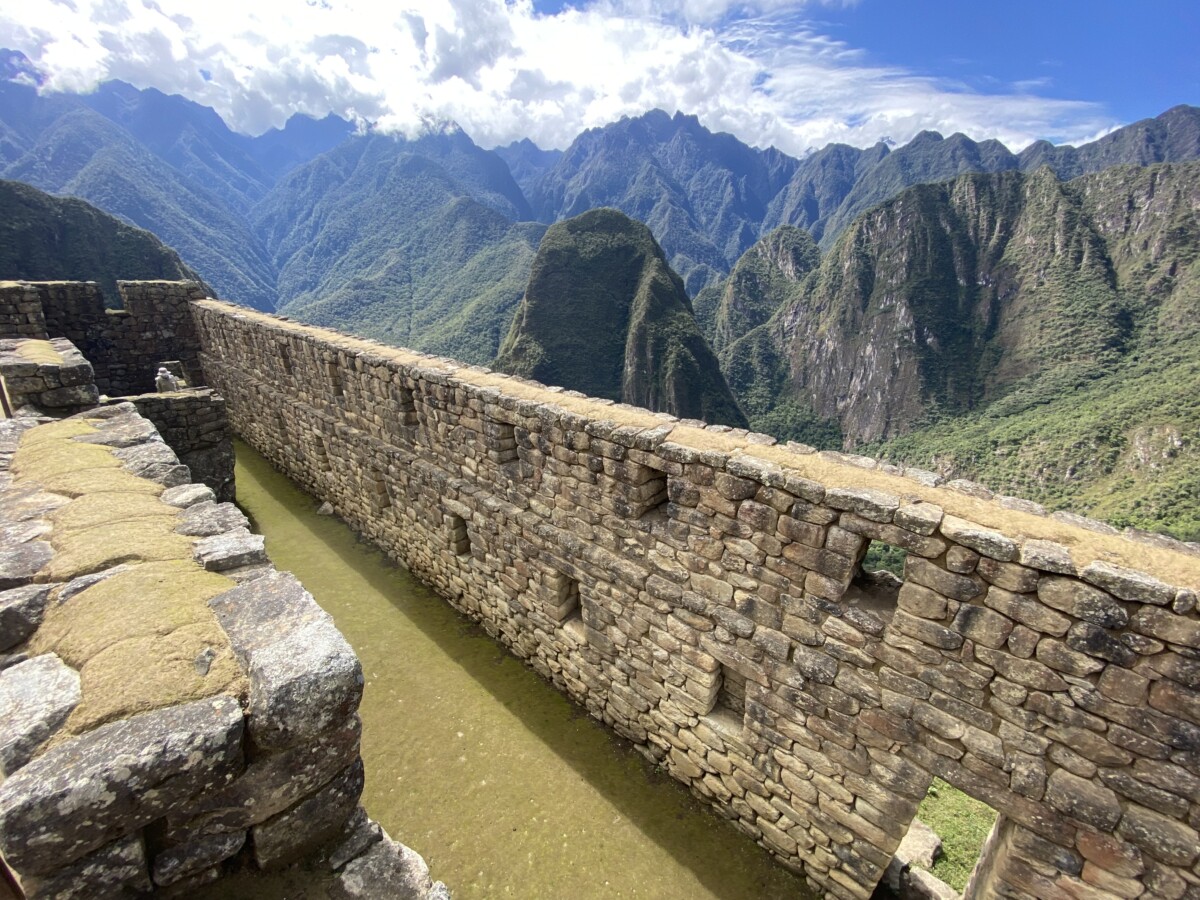
The postcard shot is real and worth every bit of the hype, but the site rewards wandering past it. The Temple of the Sun’s curved stonework is cut so precisely that a blade still won’t slide into the seams. The Intihuatana stone, a carved ritual pillar, marks the sun’s position at the equinoxes with an accuracy that has no business existing without modern tools. And the terraces themselves, the ones that look purely decorative from a distance, were an agricultural system engineered to prevent the entire mountainside from sliding into the river below.
The little-known stuff
Machu Picchu was never actually lost, not to the people who lived in the valley around it. It was lost to outsiders, which is a different and more honest story than the one usually told. It was also likely built as a royal retreat rather than a city in the everyday sense, which explains why it feels less like ruins of daily life and more like a place built on purpose, for a purpose. And despite the crowds it draws today, it was occupied for less than a century before it was abandoned during the Spanish conquest, a blink of time for a place this permanent-looking.
The one tip worth actually following
Arrive early to catch the morning fog. Not for the photo, though you’ll get the photo. It’s that the fog burns off the ruins in slow motion, one terrace at a time, like the mountain is deciding how much to show you and when. Nothing I saw the rest of that day topped standing still for twenty minutes and watching a UNESCO World Heritage Site get revealed to me in pieces.
A pair of boots made this same walk with me, on their way to becoming the most well traveled thing I own. They’ve since seen six more continents. Machu Picchu is still the one they’ve never stopped bringing up.